
Largest Selection of New and Used Office Furniture! Call 1-855-885-3375 or visit a showroom today!
Choosing the right fabric for any project is crucial. Velvet And Chenille Fabric both offer unique qualities. According to industry reports, velvet usage has surged by 30% in upholstery due to its luxurious texture. Conversely, chenille fabric remains popular for its durability and softness.
Velvet is known for its rich appearance. It creates a sophisticated ambiance in any setting. However, it can be challenging to clean and maintain. Chenille, on the other hand, is easy to care for and practical. Yet, it may lack the same level of elegance as velvet. This raises the question: which fabric fits your needs best?
Quality matters in fabric selection. Reports indicate that projects using high-quality velvet or chenille last longer. Evaluating your project’s requirements can help you decide. Do you prioritize style, comfort, or practicality? Being aware of these factors can lead to more satisfactory results in your endeavors with velvet and chenille fabric.
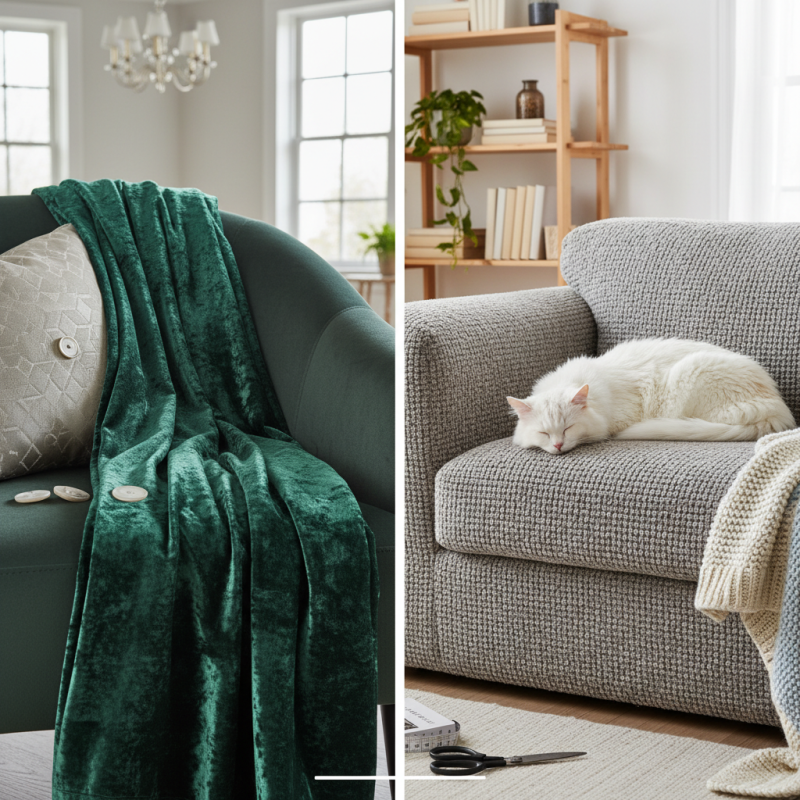
When choosing between velvet and chenille fabric, several factors come into play. Both fabrics offer distinct aesthetics and functionalities. Velvet, with its luxurious shine and softness, often gives a sense of elegance. It can elevate a room's style significantly. On the other hand, chenille presents a more casual, textured look. Its soft surface invites touch, making it perfect for cozy spaces.
Durability is another critical factor. Velvet tends to wear out faster in high-traffic areas. It may require more care to maintain its appearance. Chenille is generally sturdier and more resistant to daily wear. Consider the environment where the fabric will be used. Will it face frequent use? Evaluating how each fabric performs under stress can guide you.
Finally, think about maintenance. Velvet may need professional cleaning to avoid crushing its pile. Chenille, being more forgiving, can often be spot cleaned at home. Each fabric brings its strengths. It might help to get swatches and feel them, reflecting your choices. Embrace the process, and let your instincts guide you in making the right choice for your projects.
When choosing between velvet and chenille fabrics, understanding their unique characteristics is essential. Velvet is renowned for its luxurious appearance and soft texture. It features a dense pile, created through a special weaving process that gives it a unique sheen. This fabric is often used for upholstery and drapery. According to market reports, the demand for velvet has surged by 20% in recent years, highlighting its popularity in both fashion and interior design.
Chenille, on the other hand, is characterized by its velvety texture, but it is typically softer and cozier than velvet. The yarn used in chenille construction gives it a distinct, fuzzy finish. This makes it ideal for blankets, cushions, and other comfort-oriented applications. A study from the Textile Research Journal noted that chenille’s durability makes it a preferred choice for households with pets or children.
Tips: When selecting fabric, consider the purpose. Velvet works well for formal settings, while chenille suits casual environments. Test color options in different lighting. This can affect how the fabric appears. Finally, be mindful of maintenance, as velvet may require more care to preserve its look. Choose wisely based on the needs of your project.
When comparing the durability of velvet and chenille, it’s essential to consider your project's needs. Velvet, known for its luxurious texture, can be prone to wear and tear. It’s soft, but this softness can lead to pilling over time. Chenille, on the other hand, offers a sturdier alternative. Its unique construction provides both comfort and strength. If you are making furniture, chenille might be the better choice.
Maintenance is another crucial factor. Velvet often requires special cleaning methods to maintain its appearance. Regular vacuuming helps, but stains can be challenging to remove. Chenille is generally easier to care for. It can often be spot cleaned or washed, depending on the blend. This fabric’s forgiving nature makes it popular for families with pets or children.
However, both fabrics come with their own downsides. Velvet can fade in strong light, leading to color loss. Chenille can lose its softness after repeated washing. Understanding these aspects can help you decide which fabric best fits your lifestyle and aesthetic needs.
When choosing between velvet and chenille fabrics, aesthetic appeal and texture are key. Velvet boasts a rich, luxurious look. Its short, dense pile creates depth and shine. It feels soft and plush, making it inviting for upholstery. The fabric drapes beautifully, adding elegance to any space. On the other hand, chenille offers a cozy, textured appearance. Its raised fibers create a unique feel that is visually interesting. Chenille feels warm and welcoming, perfect for casual settings.
Consider how the light interacts with each fabric. Velvet reflects light, enhancing its color. This can create a more dramatic effect in a room. Chenille absorbs light, giving it a muted appearance. This can make spaces feel more intimate and relaxed. Both fabrics have their own charm, catering to different tastes.
Tips: Test swatches in different lighting to see how they change. Pay attention to how they feel against your skin. Both textures can wear differently over time. Velvet may show wear faster but has a timeless appeal. Chenille is durable but may flatten with use. Choose based on the intended use and desired atmosphere for your space.
When considering velvet and chenille fabrics, cost is a significant factor. Velvet, known for its luxurious feel, can be more expensive. Its prices often reflect quality and texture. Chenille is typically more budget-friendly. It offers a plush surface too, but at a lower price point. This makes chenille a popular choice for larger projects or when working with a tight budget.
Availability also varies between these fabrics. Velvet might be available in a wide range of colors and patterns, but specific styles can be harder to find. Chenille, on the other hand, is often more accessible in stores and online. You might discover a broader selection for home décor or crafting supplies. However, the quality of chenille can differ, so check the fabric before purchasing.
Keep in mind that price and availability might influence your long-term satisfaction. If the fabric is too costly or hard to find, it could lead to project delays. Consider visiting local fabric stores to feel the fabrics in person. This hands-on approach may help clarify your choices.
This chart compares the average cost per yard of velvet and chenille fabrics, as well as their availability in the market.