
How to Choose the Best Warm Insoles for Global Buyers?

Choosing the best Warm Insoles requires more than comparing heating temperatures or battery capacities. Global buyers must examine comfort, safety, durability, sizing, and regional usage conditions. Grand View Research valued the global footwear market at approximately USD 467.5 billion in 2023, showing the scale of footwear-related demand. However, heated insoles remain a specialized category with less transparent market data. That gap matters.

Cold feet can reduce comfort, concentration, and manual control. The NIOSH Criteria for a Recommended Standard on Occupational Exposure to Cold Environments identifies reduced dexterity as a practical cold-related risk. Therefore, this guide will assess Warm Insoles through measurable factors, including heating consistency, insulation materials, moisture management, charging systems, and walking stability. A warm product is not automatically a safe product.

Small details matter.

Buyers should check whether the insole fits narrow boots, whether the battery stays secure, and whether the charger supports local voltage requirements. EN ISO 20344 provides recognized footwear testing methods, while Regulation (EU) 2016/425 establishes requirements for personal protective equipment. These references do not automatically certify every heated insole, so product documentation must be read carefully. That distinction is often overlooked.

Real-world testing should include cold mornings, damp socks, uneven ground, and several hours of wear. Manufacturer claims can be useful, but they may not reflect every climate or foot shape. A 55°C heating claim sounds impressive, yet excessive heat may reduce comfort. This guide will compare evidence, not just advertising, helping distributors, retailers, and individual buyers make more reliable global purchasing decisions.
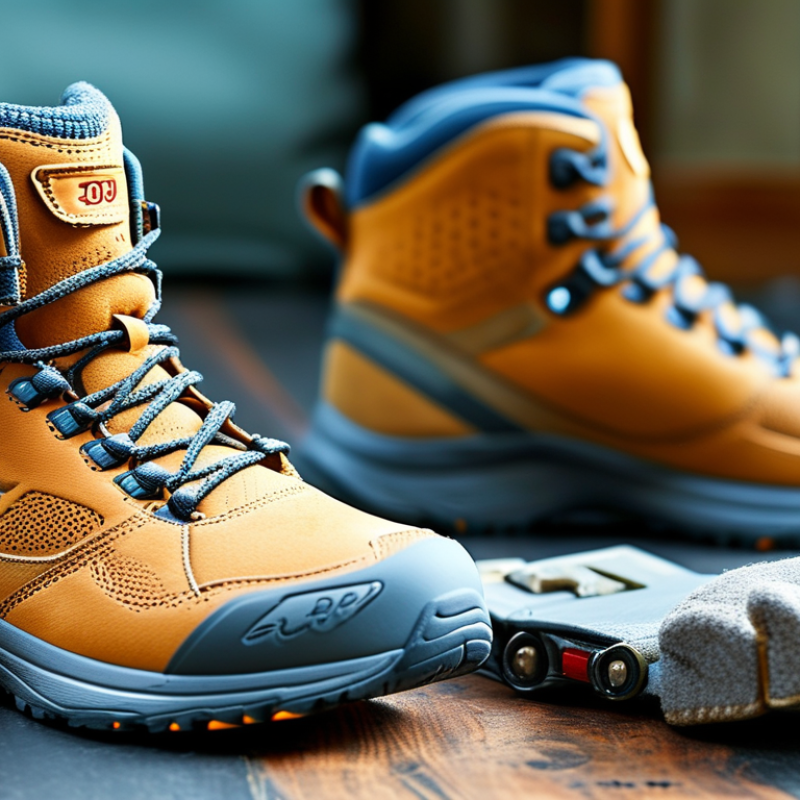
How to Choose the Best Warm Insoles for Global Buyers?

What Are Warm Insoles and How Do They Work?

Warm insoles are removable footbeds designed to reduce heat loss beneath your feet.

They usually combine insulating foam, wool, fleece, or reflective layers. These materials trap small pockets of air. Air slows the movement of heat from your body toward cold ground.

The insole does not create warmth by itself. It helps retain the warmth your feet already produce.

Some models use rechargeable heating elements. Thin conductive wires warm the forefoot or toes when connected to a small battery. Sensors may regulate temperature and prevent excessive heating.

Other types use air-activated warming materials that produce gentle heat through a controlled chemical reaction. Their performance depends on airflow, temperature, and storage conditions.

Wet socks can still make feet feel cold.

A suitable insole must fit the shoe without pressing against your toes.

Compressed insulation loses effectiveness. Check the thickness, trimming guidance, battery placement, and charging requirements before buying internationally.

Product instructions should clearly state operating temperatures and material details. Electrical versions also require reliable safety testing for the intended market.

I once assumed thicker insulation always meant better warmth. That was incomplete.

A thick insole can restrict circulation, especially in tight boots. Comfort, dryness, and room around the toes often matter just as much as insulation. Test the fit indoors before wearing it outdoors for long periods.

Which Features Determine Insole Warmth and Comfort?

Warmth starts with insulation, but comfort depends on more than foam thickness. The World Footwear Yearbook 2024 reports global footwear consumption reached about 23.9 billion pairs in 2023. For global buyers, that scale demands consistent, measurable insole performance.

Look for materials that trap air without creating pressure. Wool blends, felt, and closed-cell foam can reduce heat loss. However, thicker is not always warmer. A bulky insole may compress the toe box and restrict circulation. The ISO 11092 standard measures thermal resistance and water-vapour resistance, offering a useful testing framework. Ask suppliers for laboratory results, not vague claims. Thermal resistance should be tested after compression and repeated flexing, because new-product results can be misleading.

Moisture control matters too. Damp socks quickly make warm footwear feel cold. A 2024 materials market report from Textile Exchange highlights continuing demand for lower-impact natural fibres, but sustainability alone does not prove thermal performance. Check drying time, cushioning recovery, arch support, and surface friction. Small details matter. A textured top layer can reduce sliding, while a firm heel cup improves stability. Yet every foot differs. I would not treat one test size as universal evidence; temperature, sock thickness, activity level, and regional climate can change the result. A practical sample trial remains necessary. Thirty minutes of walking may reveal pressure points that a specification sheet hides.

How to Choose the Right Insole Material and Heating Type?

How to Choose the Best Warm Insoles for Global Buyers?

Material choice should match climate, foot pressure, and moisture exposure. Wool felt offers natural insulation and manages dampness reasonably well. EVA foam is lighter, resilient, and easy to clean. Aerogel-based layers can reduce heat loss with less thickness, but they may raise cost and feel less flexible. A 2024 report from the Outdoor Industry Association recorded 175.8 million U.S. outdoor participants in 2023. That figure reflects varied needs, from wet walking trails to frozen job sites. One material cannot serve every buyer.

Heating type matters just as much. Resistive electric heating gives adjustable warmth and suits long outdoor use. Buyers should check battery capacity, charging standards, runtime at low temperatures, and temperature-sensor placement. Chemical warmers are lighter and simpler, but their heat curve is less controllable. Passive insulation needs no power. It remains dependable during travel and emergency use. Grand View Research’s 2024 heated clothing market analysis identified battery-powered products as a major growth segment, although market growth does not guarantee comfort.

I would not trust an advertised eight-hour runtime without test conditions. Foot pressure, socks, walking speed, and outdoor temperature change performance. Try the insole with winter socks. Check whether the battery presses against the arch. A warm heel is useless if toes stay cold. That detail is often missed. Pair thermal testing with real walking trials, and question specifications that lack measurable conditions.

How to Match Insoles With Different Shoes and Climates?

Choosing warm insoles starts with the shoe, not the advertised temperature rating. Low-volume insoles suit slim dress shoes and snug running shoes. Thicker foam works better in hiking boots with removable footbeds. However, extra thickness can compress toes and reduce circulation.

Fit matters. Measure the original insole before buying, then compare length, arch height, and heel space. ISO 20344:2021 provides standardized footwear performance tests, but it does not guarantee personal comfort. A laboratory result cannot replace a ten-minute walking test.

Climate changes the choice.

NOAA’s 1991–2020 Climate Normals provide local monthly temperature and precipitation data, useful for comparing dry continental winters with wet coastal conditions. Dry cold usually favors insulated foam or wool-blend layers. Wet cold needs moisture control, sealed surfaces, and quick-drying materials.

WMO’s State of the Global Climate 2024 reported 2024 as the warmest year in the observational record, while regional weather remained highly variable. Buyers should check average lows, rain, snow, and indoor heating. A waterproof boot may need a thinner insole because its lining already holds warmth.

I once preferred the thickest option, then found my toes colder after pressure reduced movement. That mistake still matters.

Test it.

Wear the complete shoe, socks, and insole for a realistic trial.

What Should Global Buyers Check Before Purchasing Warm Insoles?

Choosing warm insoles starts with checking how they produce heat. Some use rechargeable batteries, while others rely on chemical warming elements. Ask how long the warmth lasts in real outdoor conditions, not only in laboratory claims. Cold air can reduce battery performance. That matters during long commutes, winter work, or mountain travel. Look for adjustable heat levels and clear operating instructions. Simple controls are safer when fingers are numb.

Fit requires careful attention. Measure both feet and compare the seller’s size chart, because regional sizing can differ. The insole should support the heel without pressing against the toes. Thick socks may require extra space. Check whether the product can be trimmed, washed, or dried safely. Moisture resistance is useful, but it does not mean unlimited water protection. Read the care instructions closely.

Safety information deserves equal attention. Global buyers should check electrical testing, battery protection, charging requirements, and applicable market certifications. Avoid products with vague temperature claims or missing user instructions. Packaging should explain storage, charging, disposal, and emergency precautions in understandable language. Confirm shipping restrictions for batteries before placing an international order. I have seen buyers focus on heat output and ignore charging compatibility. That mistake can be expensive. Even accurate product pages may leave questions unanswered, so request test data, warranty terms, and replacement-part details before purchasing. Comfort is personal. Test gradually.

How to Choose the Best Warm Insoles for Global Buyers?

What should global buyers check before purchasing warm insoles?

How to read the chart: Rechargeable heated insoles commonly provide higher temperatures with shorter battery runtime. Buyers should compare the tested surface temperature, operating time, charging duration, insole thickness, sizing range, and safety documentation before purchasing.

The figures show representative specification benchmarks for rechargeable heated insoles, not data from any specific company or brand. Actual performance depends on ambient temperature, battery capacity, heating mode, footwear, and test conditions.

We have the largest selection of new, remanufactured and quality pre-owned office furniture in the tri-state area.  We ship nationwide with regular deliveries to Pittsburgh, Erie, Uniontown, Washington, Akron, Cleveland, Beckley, Charleston, Clarksburg, Huntington, Morgantown, Parkersburg, Wheeling, Ashland, Ironton, and Lexington.

PITTSBURGH, PA

Showroom & Corporate Offices
1 Sexton Road
Pittsburgh, PA 15136

Local: (412) 771-0760
Fax: (412) 771-0764

WHEELING, WV

By Appointment Only
Local: (304) 232-0727

CHARLESTON, WV

Showroom
125 Lakeview Drive, Suite G
Cross Lanes, WV 25313

Local: (304) 345-3773
Fax: (681) 265-9039

MORGANTOWN, WV

By Appointment Only
Local: (304) 381-9119

HOURS OF OPERATION:

MONDAY-FRIDAY: 9am-5pm
SATURDAY: By Appointment