
Largest Selection of New and Used Office Furniture! Call 1-855-885-3375 or visit a showroom today!
Choosing the right living room furniture can change how a home feels and functions. Modern Living Room Sets now include coordinated sofas, sectionals, loveseats, accent chairs, and storage tables. Each type serves a different lifestyle, room size, and comfort preference.
British interior designer David Hicks once said, “The best rooms have something to say about the people who live in them.” That idea remains useful when comparing today’s furniture styles. A compact sofa-and-loveseat set may suit a narrow apartment, while an L-shaped sectional can anchor an open-plan home. Modular sets offer flexibility when family needs change. Reclining sets add comfort, although they may appear bulky in smaller spaces. Performance fabrics, removable covers, and sturdy kiln-dried frames also deserve careful attention.
Details matter.
A practical comparison should examine seat depth, frame construction, fabric durability, and walking space. For example, an 84-inch sofa may fit comfortably against one wall, but its matching coffee table could make the room feel crowded. Measuring doorways matters too. Many buyers overlook delivery access. That mistake can be expensive and frustrating.
No ranking is perfect. Personal habits can challenge common design advice. A household with pets may value washable fabric more than luxury leather. Someone who entertains often may prefer modular seating over a fixed set. This guide explores the top types of Modern Living Room Sets, their strengths, limitations, and best uses, helping readers make a more informed and realistic choice.
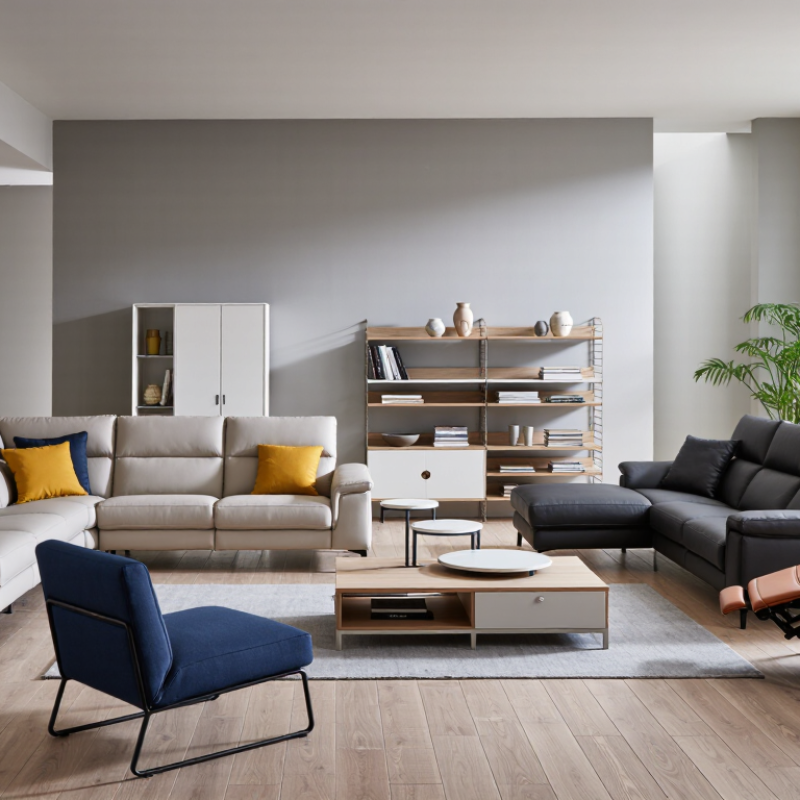
Modern living room sets are coordinated groups of furniture designed for everyday comfort, conversation, and visual balance. They usually include a sofa, matching or complementary chairs, and a coffee table. Some sets also add an ottoman, side tables, or modular seating. The key idea is coordination, not identical pieces.
Core elements include clean lines, practical proportions, and restrained decoration. A low-profile sofa can make a narrow room feel more open, while a deeper seat supports relaxed lounging.
Upholstery should match the household’s routine. Tightly woven fabric suits frequent use, especially with children or pets. Removable covers also make maintenance easier. A sturdy frame, supportive cushions, and smooth table edges matter more than a fashionable color.
Room scale deserves careful attention. Measure the wall, doorway, and walking paths before choosing a set. Leave enough space for drawers, doors, and movement. Around 18 inches between a sofa and coffee table often feels comfortable, though personal habits may require adjustment.
I once chose a set that looked elegant in a showroom but crowded my living room at home. The mistake was trusting appearance over measurements. It still taught me something.
Modern design can include warm wood, textured fabric, metal details, or curved shapes. The result should feel connected without becoming repetitive. A slightly imperfect arrangement may feel more welcoming than a perfectly matched display. Real living is rarely symmetrical.
Sectional sofa sets are a strong choice for spacious, social living rooms. Their connected shape creates generous seating without scattering separate chairs across the floor. A U-shaped sectional can frame a coffee table and keep every guest involved. An L-shaped design works well in open-plan rooms. It can define the lounge area near a rug or low bookshelf.
Comfort depends on more than size. During room planning, measure doorways, stairways, and walking paths before ordering. A large sofa may look impressive but leave little space behind it. Choose supportive cushions, durable upholstery, and a seat depth that suits your household. Softer cushions feel inviting for movie nights, while firmer ones help guests sit upright. In my experience, modular sections offer useful flexibility, although they can shift slightly on smooth floors. That detail is easy to overlook.
Tips: Leave at least 30 inches for main walkways. Keep the coffee table within comfortable reach. Use movable ottomans for extra seating or resting feet. Add layered lighting to prevent the sectional from feeling visually heavy. Neutral upholstery offers long-term versatility, but textured fabric can hide small marks better. Test the sofa in person when possible. Online dimensions rarely reveal the true sitting angle. A sectional should encourage conversation, not merely fill an empty room.
Sofa-and-loveseat sets remain a practical choice for balanced living room layouts. They create conversation zones without making the room feel overly formal. A standard sofa usually anchors the longest wall, while the loveseat fills a shorter side or faces the sofa. This arrangement works especially well in rooms between 180 and 300 square feet. Leave about 30 to 36 inches for walking paths. The space should breathe.
Market data supports continued interest in coordinated home furnishings. Grand View Research valued the global home furniture market at approximately $537.9 billion in 2023. Its report forecasts steady growth through 2030, partly driven by flexible, design-focused residential furniture. However, matching every piece too closely can make a room look staged. A small difference in texture, leg style, or cushion shape often feels more natural.
Tips: Place the sofa first, then test the loveseat at a right angle. Keep the front legs of both pieces on the same visual line. Add a rug large enough to touch both seating pieces. I often recommend measuring doorways before ordering. It sounds obvious, but oversized furniture still causes costly mistakes. Use two accent chairs if the loveseat blocks a window. This rule is useful, not sacred. Check sightlines from the main entrance, television, and brightest window. A balanced layout should feel comfortable from several angles, not only in a floor plan.
Modern living room sets now favor flexibility over fixed layouts. Modular sets are especially useful because each piece can move with changing needs. A sofa, corner unit, ottoman, and armless chair can form an L-shape today. Tomorrow, they can create separate seating zones for guests or quiet reading.
Measure the room before choosing a configuration. Leave clear walking space around tables and entry points. In my experience, movable ottomans often become the most useful pieces. They provide extra seating, a footrest, or a temporary table with a tray. Sectional connectors should feel secure, yet remain easy to release. Otherwise, rearranging becomes frustrating.
Check the frame, cushion density, fabric cleaning instructions, and warranty terms. These details reveal more than attractive photographs. A modular set may look perfect online but feel too deep in a narrow room. I have made that mistake.
Tips: Use paper templates to mark each module’s footprint. Test the layout with daily movement in mind. Choose washable covers when children or pets share the space. Keep one lightweight piece for quick changes. Do not overfill the room. A little empty space helps modular furniture work better. If the arrangement feels awkward after a week, change it. Furniture should support real habits, not staged pictures.
Modern living room sets increasingly follow two principles: visual restraint and practical flexibility. The 2024 Houzz & Home Study surveyed more than 6,000 U.S. homeowners about renovation activity. Its scale reflects a clear market concern: living rooms must support more daily functions. A minimalist set might combine a low-profile sofa, nesting tables, closed storage, and one movable accent chair. Keep the palette quiet.
Multifunctional designs suit smaller apartments and hybrid households. A storage ottoman can hide blankets, toys, or a laptop. A modular sofa can separate for guests, then reconnect for evening viewing. Grand View Research’s 2024 Home Furniture Market report forecasts steady global growth through 2030. That forecast reflects demand, not guaranteed quality. A beautiful set may still fail when its cushions flatten quickly or its storage feels awkward.
In practice, measure doorways, walking paths, and the sofa’s full reclined depth before ordering. Measure twice. Leave roughly 30 inches for primary circulation, a widely used interior-planning benchmark. Choose performance fabrics only when their care instructions match your household. I prefer testing seat height in person, because photographs hide firmness and back support. Still, minimalist sets can become sterile. One imperfect object, such as a textured lamp or worn wood stool, often keeps the room human.